
OpenISAC 6G ISAC Open‑Source Platform – Validated with LUOWAVE LW‑X310 SDR
Recently, the team led by Prof. Yong Zeng from the National Key Laboratory of Mobile Communications at Southeast University published a paper in the IEEE Internet of Things Journal, introducing and open-sourcing OpenISAC—a real-time experimental platform designed for OFDM-based Integrated Sensing and Communication (ISAC). The source code and detailed documentation have been publicly released on GitHub, available for free access and replication by researchers worldwide. During the experimental validation phase, the team selected LUOWAVE's LW-X310 as the base station (BS) hardware platform, successfully completing full-procedure over-the-air (OTA) verification encompassing real-time communication, mono-static sensing, bi-static sensing, and micro-Doppler extraction. The following is a reprint of the original article.
As research into sixth-generation (6G) mobile communications advances, Integrated Sensing and Communication (ISAC) is widely recognized as a pivotal application direction for future wireless networks. However, transitioning current ISAC research from algorithm simulation to actual over-the-air (OTA) validation faces significant bottlenecks, including high experimental barriers to entry, limited real-time prototyping tools, and a lack of open, reproducible experimental platforms.
To address this challenge, the team of Prof. Yong Zeng from the National Key Laboratory of Mobile Communications at Southeast University and Purple Mountain Laboratories authored the paper titled "OpenISAC: An Open-Source Real-Time Experimentation Platform for OFDM-ISAC", which was recently accepted by the prestigious Internet of Things journal, IEEE Internet of Things Journal.
Centering on an Orthogonal Frequency Division Multiplexing (OFDM) ISAC experimental platform, the paper proposes and open-sources OpenISAC: a real-time experimental system tailored for real-time communication, mono-static sensing, and bi-static sensing. The platform utilizes an architecture that combines host-side C++ real-time physical layer processing with a Python front-end toolkit. It supports flexible OFDM parameter configuration, over-the-air testing, bi-static OTA synchronization, and hardware-free channel simulation. OpenISAC aims to help researchers rapidly transition new ISAC algorithms from simulation to actual OTA experiments. The first author of the paper is Zhiwen Zhou, a Ph.D. student at Southeast University. The corresponding author is Prof. Yong Zeng, and the co-authors include Ph.D. student Chaoyue Zhang and Prof. Xiaoli Xu from Southeast University.

Introduction
Integrated Sensing and Communication (ISAC) is regarded as one of the key application scenarios for 6G. While theoretical research has progressed rapidly, a prominent barrier remains when moving from algorithmic derivation to real-world OTA verification. Pure simulation code is flexible and easy to modify but lacks actual hardware, real-time links, and hardware non-idealities. On the other hand, full standard protocol stacks or dedicated hardware platforms are powerful but exhibit high engineering complexity, making it difficult to flexibly modify underlying signal processing.
The positioning of OpenISAC is to provide a lightweight, readable, modifiable, and real-time executable OFDM-ISAC physical layer experimental platform between "pure simulation code" and a "full standard protocol stack." It is not a standard-compliant implementation of Wi-Fi, LTE, or 5G NR, nor is it a production-grade communication protocol stack; rather, it is an open-source experimental platform dedicated to academic research, algorithm validation, and rapid prototyping.
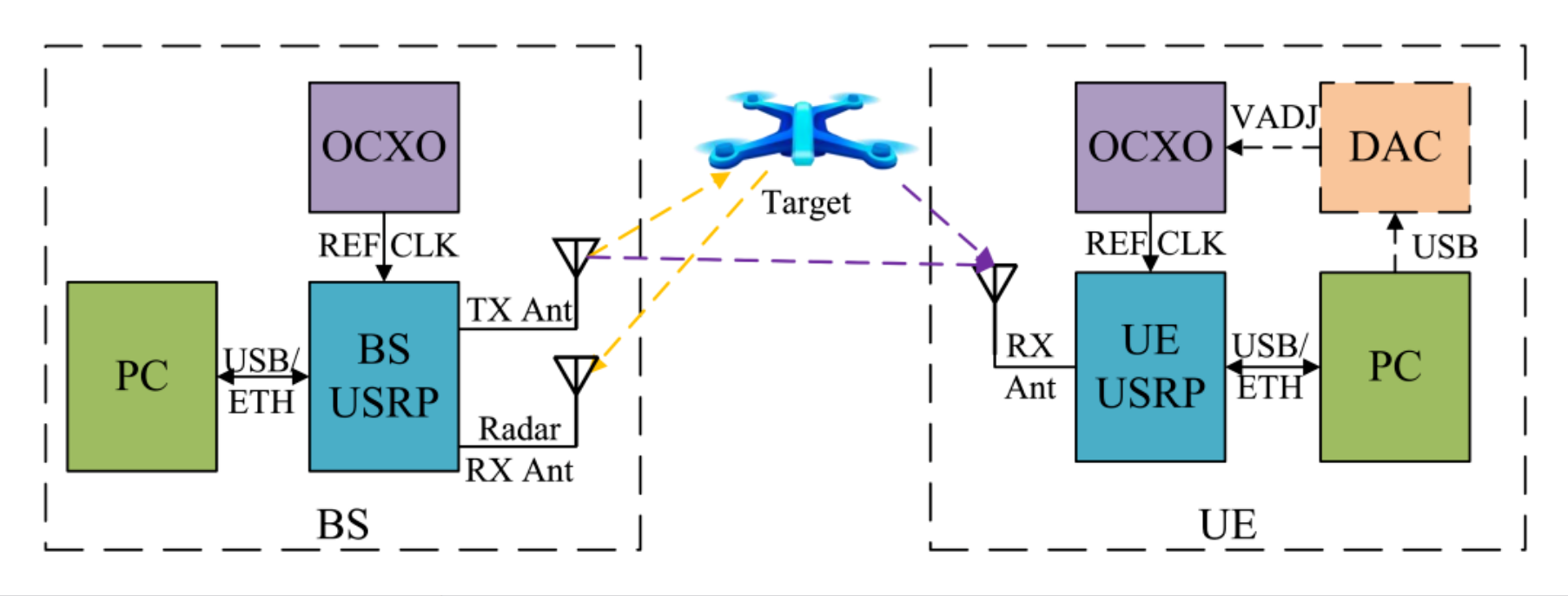
[Figure 1: OpenISAC System Architecture]
Key Features
Based on the OFDM waveform, OpenISAC supports real-time communication, mono-static sensing, and bi-static sensing. Together, the paper and the open-source project provide a comprehensive implementation spanning signal models, synchronization processing, software architecture, and real-world experimental validation.
Open-Source Real-Time Implementation: The hot paths for physical layer modulation, demodulation, and sensing are implemented in C++, while front-end display, parameter debugging, and rapid algorithm validation are handled by Python tools. Researchers can access a runnable, modifiable real-time link without relying on commercial software licenses or starting from FPGA development.
Support for Mono-static and Bi-static Sensing: The platform supports mono-static delay-Doppler and micro-Doppler sensing on the BS side, as well as bi-static sensing on the UE side. For bi-static experiments, OpenISAC provides an over-the-air (OTA) synchronization mechanism, enabling bi-static sensing experiments that closely mimic real-world deployments even without wired clock distribution.
Flexible OFDM Physical Layer: OpenISAC utilizes a continuous OFDM frame structure. It allows flexible configuration of the number of subcarriers, cyclic prefix (CP) length, pilots, synchronization symbols, sensing resources, and runtime parameters. This enables researchers to easily explore new resource allocation schemes, synchronization methods, and sensing processing workflows.
Real-World Experimental Validation: The paper validates real-time communication, mono-static sensing, bi-static sensing, micro-Doppler extraction, and host-side real-time performance using sdr hardware. The experimental results demonstrate that OpenISAC can support up to 100 MHz of real-time bandwidth. It successfully executes communication link validation, BS-side mono-static delay-Doppler/micro-Doppler sensing, and UE-side bi-static sensing experiments in real over-the-air environments.
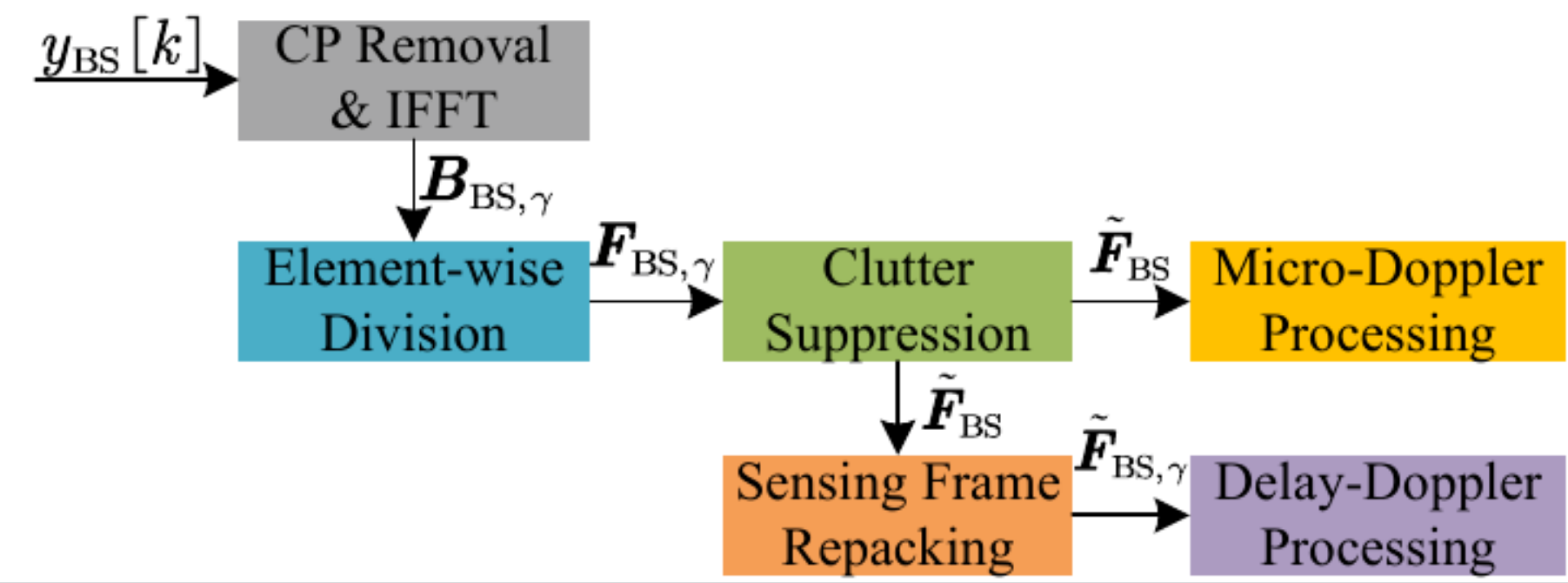
[Figure 2: Mono-static Sensing Signal Processing Workflow]
Experimental Validation
The paper further verifies the real-time execution capabilities of OpenISAC through real-world OTA experiments and host-side performance tests. The experimental prototype consists of two hardware nodes: a BS and a UE.
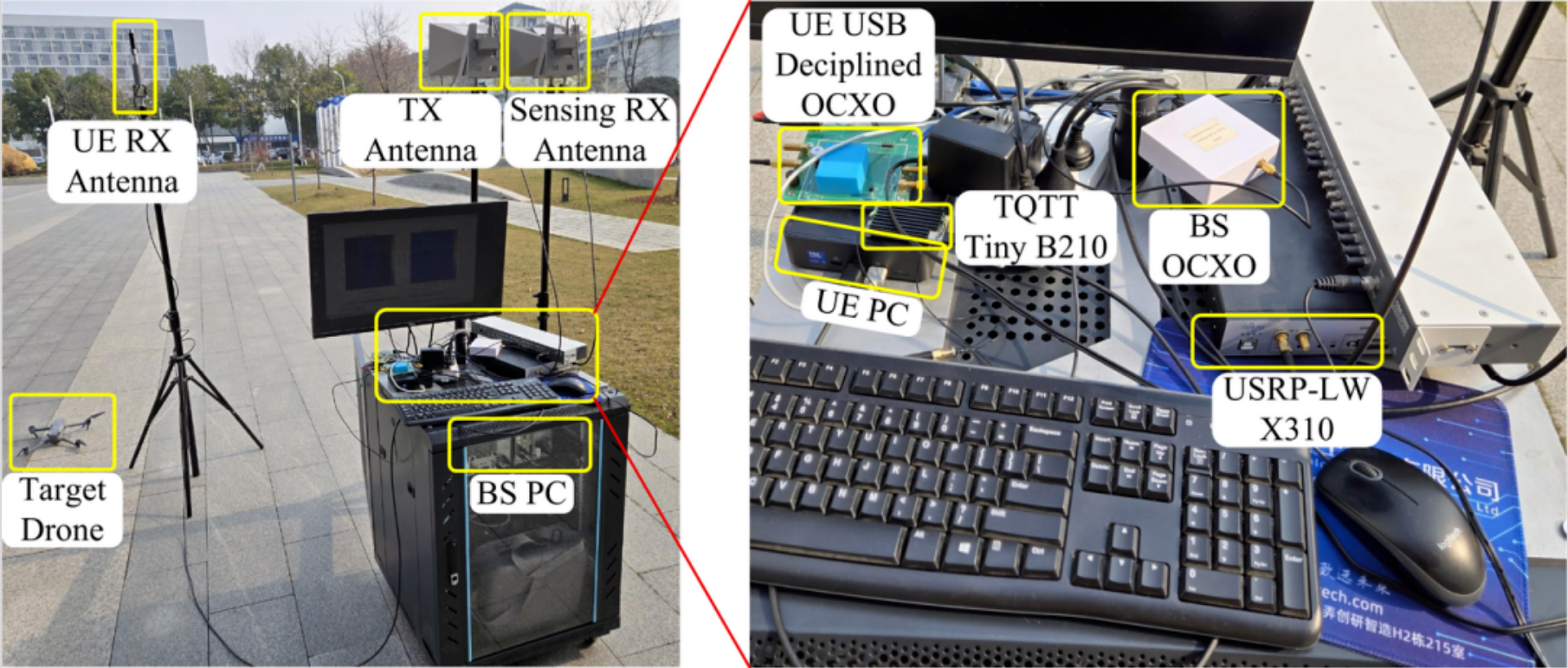
BS side: Uses a LUOWAVE LW-X310, connected via 10GbE to an Intel Core i7-10700 host, utilizing independent transmit antennas and mono-static sensing receive antennas.
UE side: Uses a TQTT Tiny B210, connected via USB 3.0 to an Intel Core Ultra5 225H host.
The experiments were conducted in an open outdoor environment, using a DJI Mavic Air 3S drone as the target for mono-static micro-Doppler and bi-static UAV sensing validation.
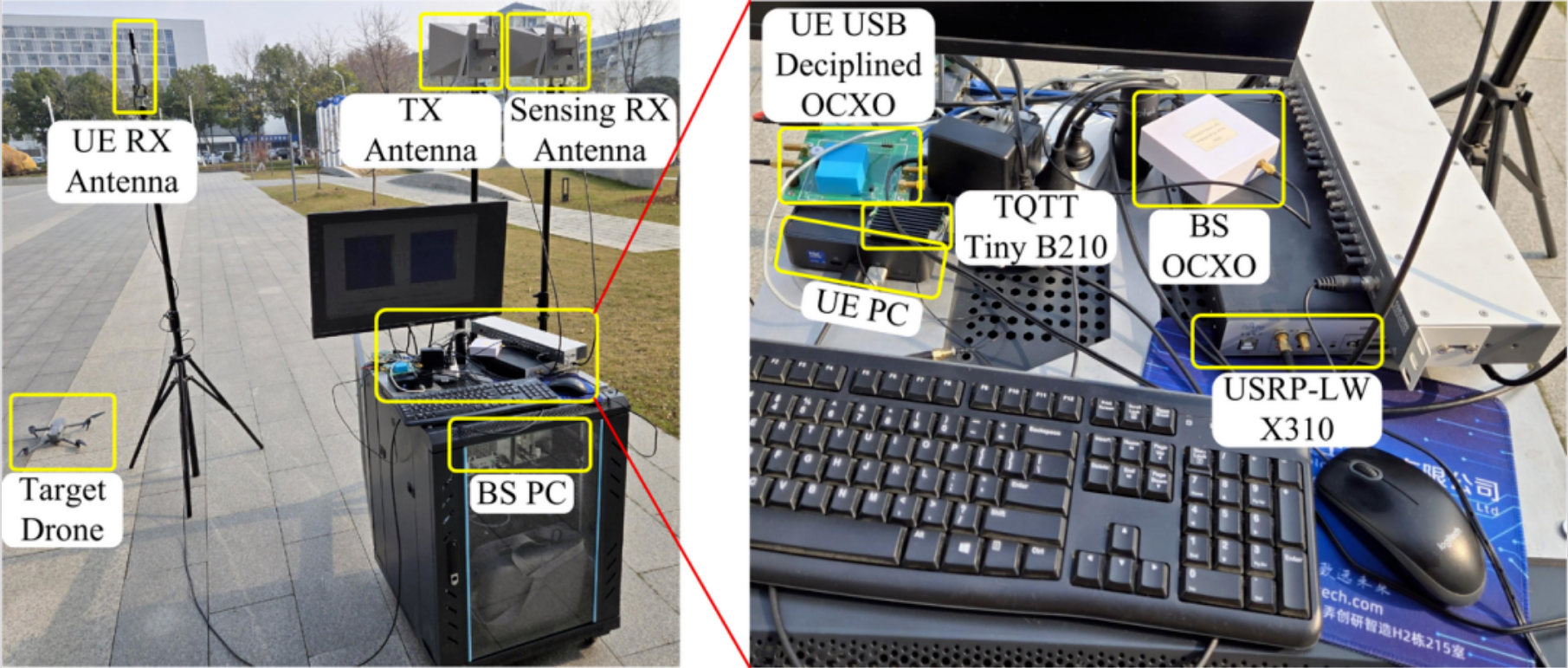
[Figure 3: OpenISAC Experimental Platform Prototype]
Unless otherwise specified, the experimental sampling rate and analog bandwidth were set to 50 MHz, with 1024 OFDM subcarriers and a cyclic prefix length of 128. The experimental results cover host-side real-time processing capacity, communication link performance, mono-static sensing, bi-static sensing, and OTA synchronization efficacy.
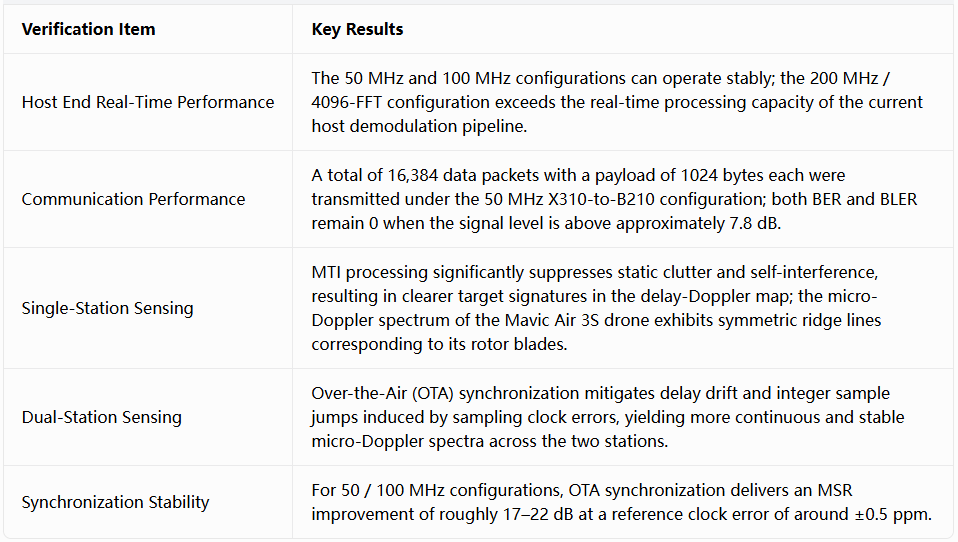
Several representative experimental results are selectively highlighted below:
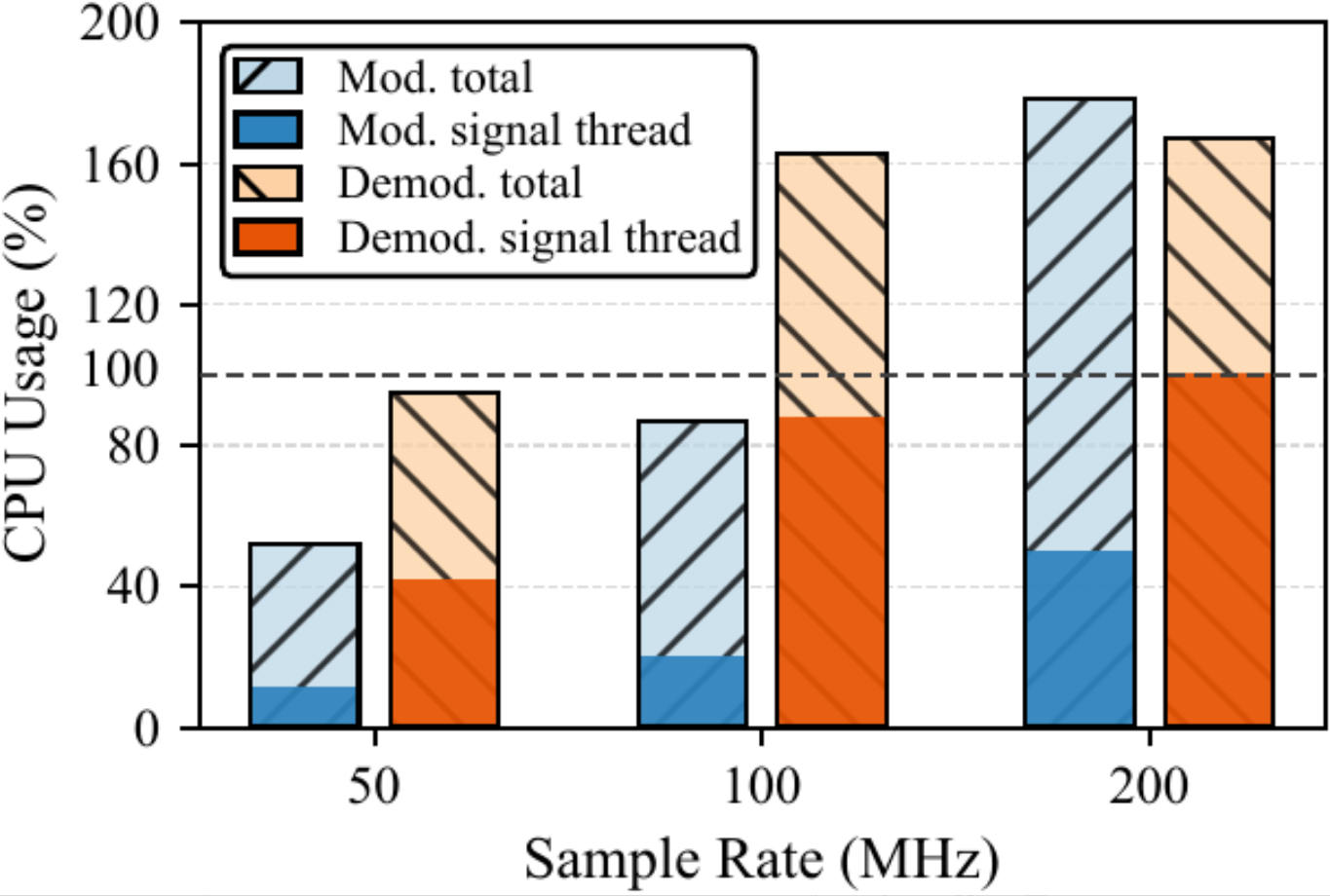
[Figure 4: Host-side CPU Utilization under Different Sampling Rates]
Host-side real-time performance testing indicates that as the sampling rate scales from 50 MHz to 200 MHz, CPU utilization rises significantly for both the modulator and demodulator, with the demodulator growing at a faster rate—representing the primary bottleneck for real-time processing. The paper further quantifies the per-frame processing time: the 50 MHz and 100 MHz configurations run stably, whereas under the 200 MHz / 4096-FFT configuration, the demodulator processing load exceeds 100%, causing continuous accumulation and frame drops. Consequently, OpenISAC fully supports typical 50 MHz / 100 MHz real-time experiments.
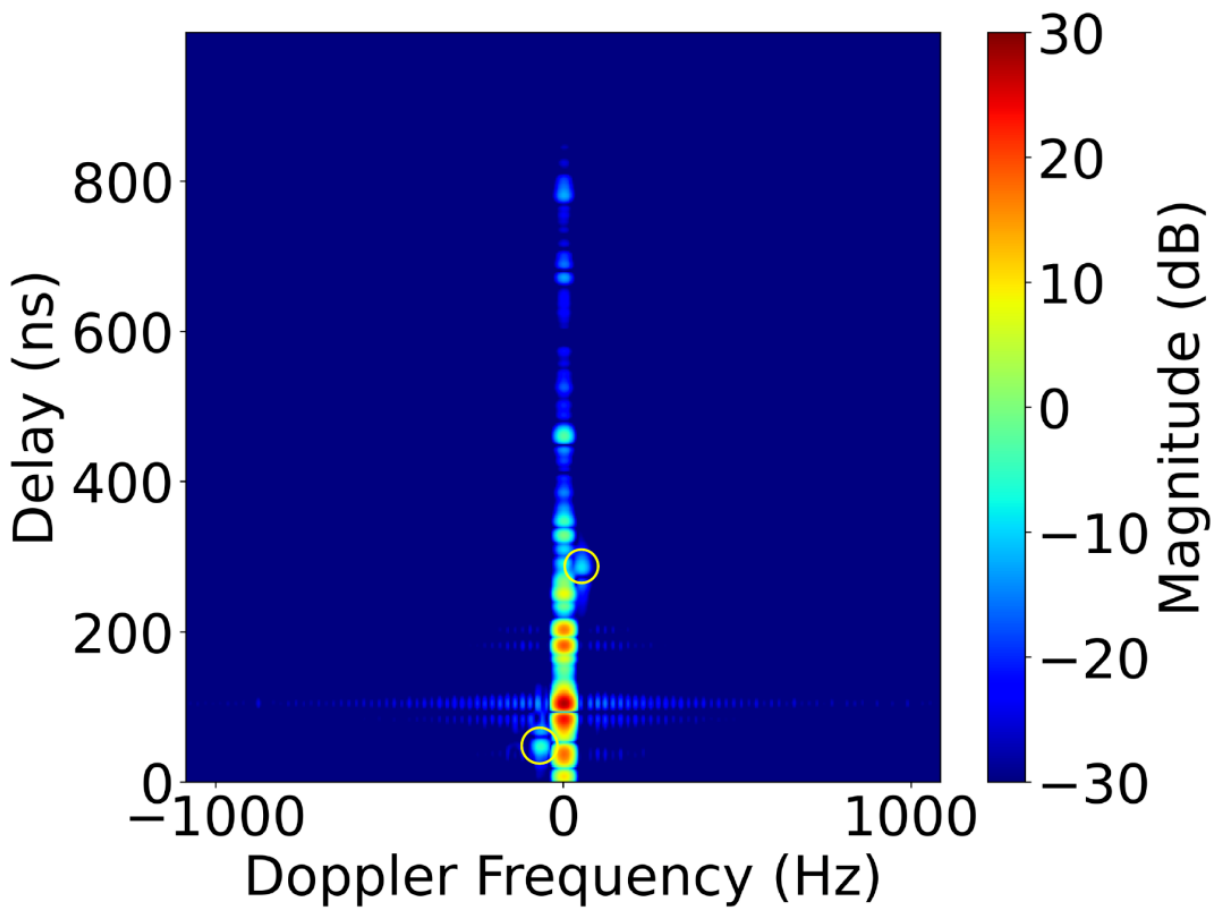
[Figure 5(a): Mono-static delay-Doppler results before MTI]
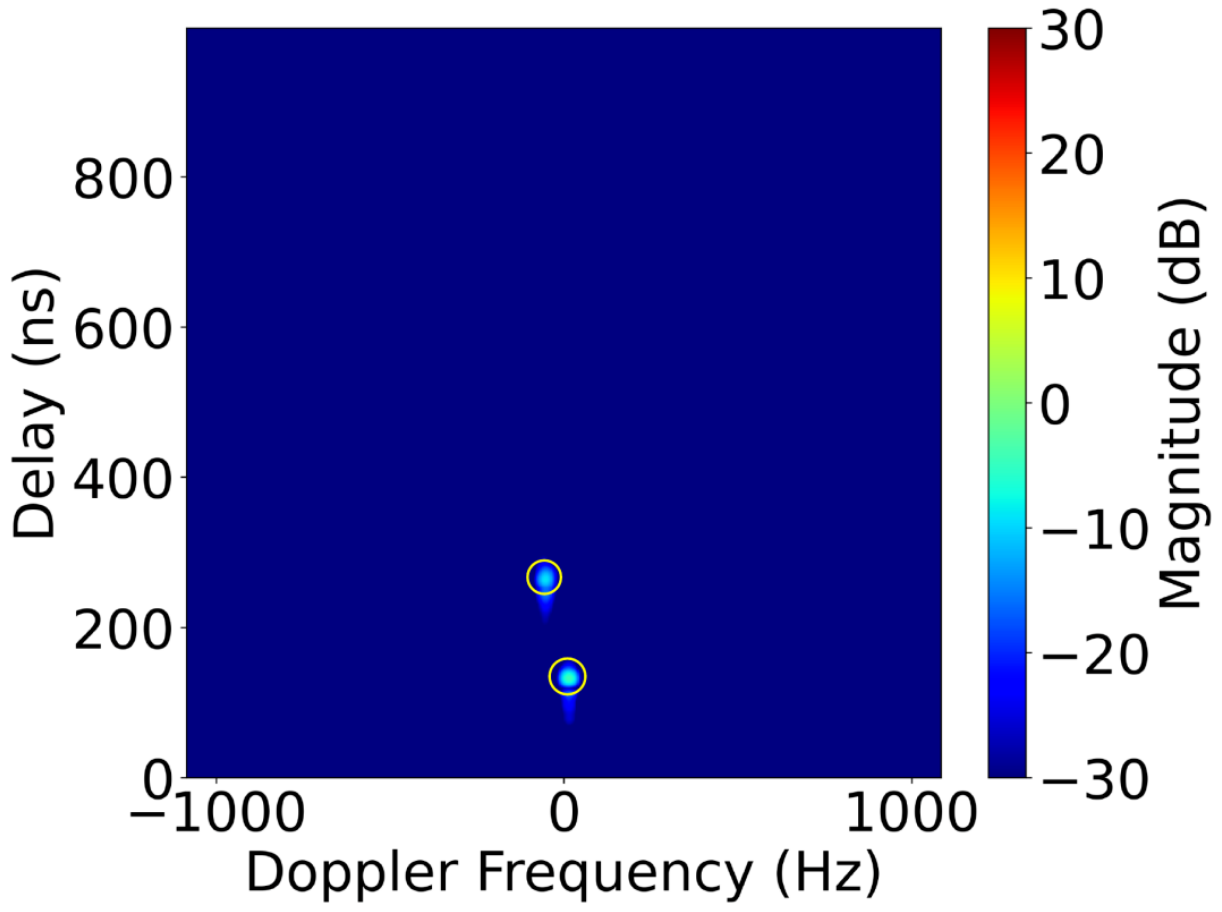
[Figure 5(b): Mono-static delay-Doppler results after MTI]
In the mono-static delay-Doppler sensing experiment, results prior to MTI are corrupted by static clutter and self-interference near zero Doppler, making the moving target less prominent against the background. Once MTI is enabled, static components are heavily suppressed, and the target echo stands out clearly in the delay-Doppler map. This demonstrates that OpenISAC’s real-time sensing link effectively supports dynamic target detection and clutter suppression validation.
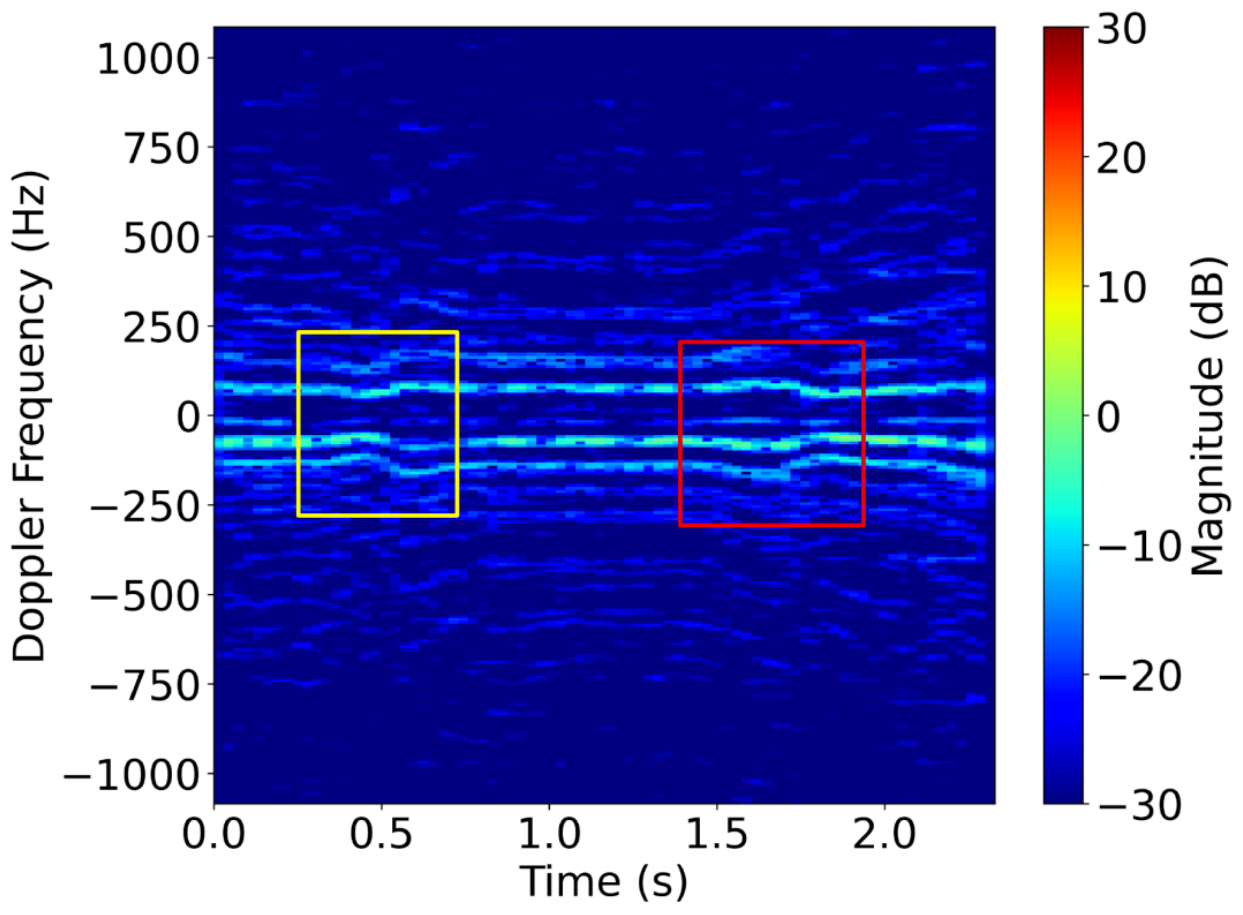
[Figure 6: Mavic Air 3S Mono-static Micro-Doppler Spectrum]
Furthermore, OpenISAC can directly utilize continuous slow-time streams for micro-Doppler analysis. In Figure 6, the rotor movement of a hovering Mavic Air 3S generates symmetric, approximately equally spaced Doppler ridges, reflecting the periodic kinetic characteristics of the UAV's rotors. This demonstrates that the platform can output fine-grained micro-motion feature analysis in addition to conventional range-velocity sensing results.
Open-Source Project
The OpenISAC repository comprises a C++ backend, Python front-end, YAML configuration templates, web-based configuration tools, visualization toolkits, a simulation backend, and bilingual documentation (Chinese and English). The core components include:
BS Backend
OFDM Modulator: Transmits OFDM frames, receives business UDP packets, and outputs mono-static sensing results.UE Backend
OFDM Demodulator: Receives and demodulates OFDM frames, outputs business data, and runs bi-static sensing.Front-End Tools
plot_sensing_fast.py/plot_bi_sensing_fast.py: Provides real-time display of mono-static/bi-static sensing results.Web Configuration Tool
scripts/config_web_editor.py: Allows editing of runtime YAML parameters via a web browser.Simulation Backend
ChannelSimulator: Runs a closed-loop of communication and sensing locally without requiring sdr hardware.
For researchers who may not have immediate access to complete RF experimental hardware, the recently integrated ChannelSimulator uses shared memory to simulate an over-the-air environment. By chaining the transmitter, channel, and receiver together, the complete communication link, mono-static sensing, and bi-static sensing can run as a closed loop on a local machine. Developers can validate frame structures, synchronization procedures, demodulation links, and sensing displays before transitioning to an actual sdr deployment.
How to Get Started
You can visit the OpenISAC project homepage to view the code repository, installation guides, English/Chinese documentation, and example configurations. Hardware-based experiments can begin with the X310/B210 configuration templates provided in the repository; hardware-free debugging can be initiated using Modulator_Sim.yaml, Demodulator_Sim.yaml, and ChannelSimulator.
Paper Information
Title: OpenISAC: An Open-Source Real-Time Experimentation Platform for OFDM-ISAC
Authors: Zhiwen Zhou, Chaoyue Zhang, Xiaoli Xu, and Yong Zeng
Journal: IEEE Internet of Things Journal
arXiv: 2601.03535
The objective of OpenISAC is not to implement a fully comprehensive protocol stack, but rather to provide an accessible, modifiable, and reproducible OFDM-ISAC research platform. We hope it will assist more researchers in advancing their algorithms from papers and simulations into real-world over-the-air experiments.